Stepping into the role of a soccer coach, whether for a youth team or a competitive adult squad, is an incredibly rewarding experience. You get to shape athletes, foster teamwork, and share your passion for the beautiful game. Yet, it also comes with its unique set of challenges, especially for newcomers. Many aspiring coaches quickly realize that coaching involves much more than just knowing the rules of soccer. Are you feeling overwhelmed by the sheer scope of responsibilities? Let us explore some of the most common hurdles new soccer coaches encounter and, more importantly, discover actionable strategies to overcome them, building your confidence and competence on the pitch.
Mastering Team Dynamics and Player Management
One of the first significant challenges new coaches face involves understanding and managing the diverse personalities within a team. Every player brings their unique strengths, weaknesses, motivations, and even moods to the field. How do you ensure everyone feels valued, challenged, and contributes positively? It is not just about individual skill, it is about creating a cohesive unit.
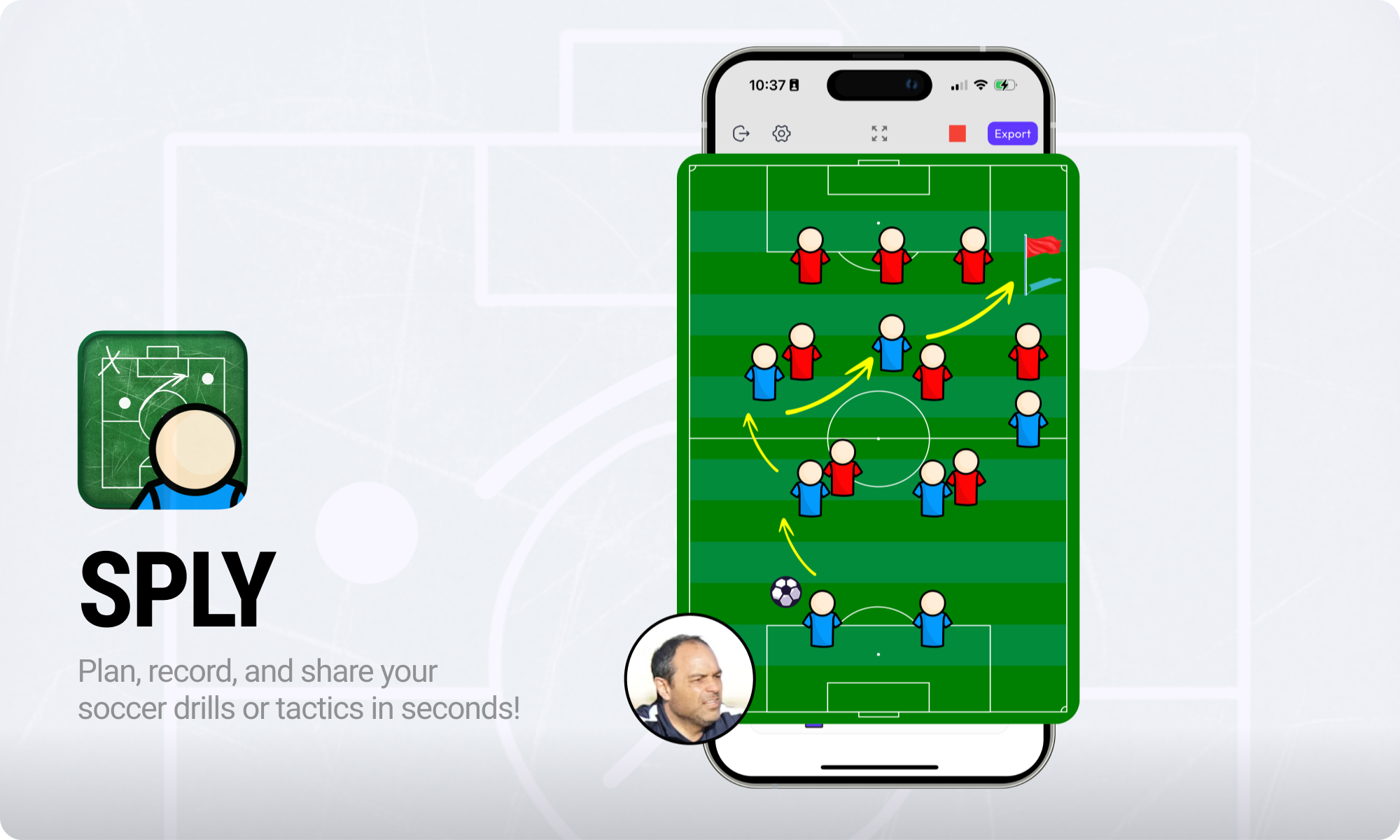
To address this, establish clear expectations from day one. Communicate openly about your coaching philosophy, team rules, and individual roles. Take the time to get to know your players personally, understanding their learning styles and aspirations. For instance, if you have a shy player, assign them a specific, manageable task during drills to build their confidence. For a more dominant player, challenge them to mentor a teammate. Use positive reinforcement frequently, celebrating both effort and achievement. When conflicts arise, address them quickly and fairly, focusing on the team's collective goals. Tools like SPLY, the video soccer coach board app, can help you visually assign positions and demonstrate how each player's role contributes to the overall team strategy, making it easier for players to grasp their importance within the dynamic flow of the game.
Designing Effective Training Sessions
Another common hurdle is designing training sessions that are not only engaging but also progressively develop your players' skills and tactical understanding. It is easy to fall into the trap of repeating the same few drills, which can lead to player boredom and stagnation. How do you keep things fresh, relevant, and challenging for all skill levels?
Start by defining clear objectives for each session. Are you focusing on passing accuracy, defensive shape, or quick transitions? Once your objective is clear, select drills that directly support it. Vary your drills to target different aspects of the game, incorporating warm-ups, technical skill work, small-sided games, and cool-downs. For example, if you are working on passing, include drills that emphasize different types of passes, such as short, long, and through balls. Remember the concept of progression, start simple and gradually increase complexity. Provide constructive feedback throughout the session, correcting mistakes and praising good technique. With SPLY, you can effortlessly create and save detailed drill diagrams and tactical layouts. You can even record your voice and face while drawing on the board, explaining each step of a drill or tactical movement, which is incredibly useful for reviewing sessions or sharing with assistant coaches.

Communicating Tactics and Strategy Clearly
Soccer is a game of strategy, and conveying complex tactical concepts to your team can be incredibly difficult. Simply telling players where to be or what to do often falls short, especially if they are visual learners or younger athletes. How do you ensure your players truly understand your game plan and can execute it effectively under pressure?
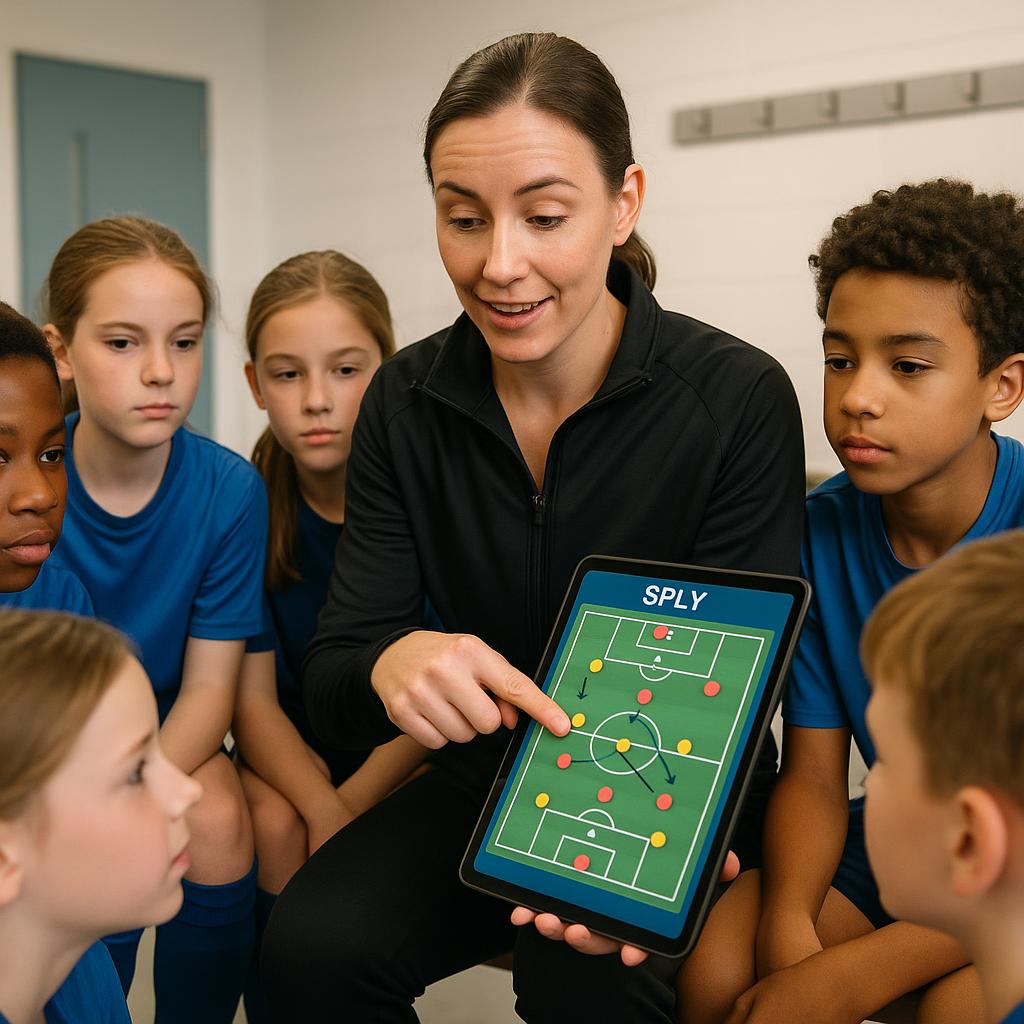
Simplify your language and avoid jargon. Break down complex strategies into smaller, more digestible components. Crucially, utilize visual aids. Showing is often much more effective than telling. For instance, explaining a defensive scheme like mastering zonal marking can be greatly enhanced by using a whiteboard or a digital coaching board to illustrate player positions and movements. Instead of just saying